

Opening Scene: Setting the Stage
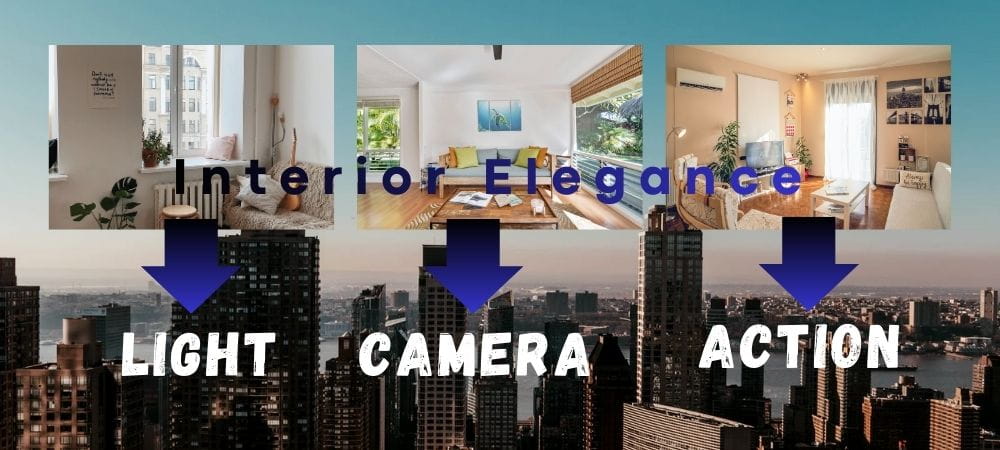
Interior design is more than decorating a space—it is the art and science of transforming interiors into environments that are healthier, functional, and visually compelling. Just like a film set, every interior has a story to tell. Lights create mood, camera defines perspective, and action brings the vision to life. Interior design shapes how we live, work, and experience spaces every day.
What Is Interior Design?
Interior design is the art and science of enhancing the interior of a building to achieve a more aesthetically pleasing and functional environment for the people using the space. It blends creativity with technical knowledge to ensure comfort, safety, and usability.
An interior designer is a trained professional who plans, researches, coordinates, and manages interior design projects. The profession is multifaceted and includes:
- Conceptual development
- Space planning
- Site inspections
- Program and construction management
- Design execution
Unlike interior decoration, which focuses mainly on surface aesthetics, interior design addresses both form and function.
The Evolution of Interior Design
The interior design profession became formally established in the early 20th century, when advances in technology and engineering began influencing everyday life. Before this period, most people lived in rural settings and had little need for professional design services. As societies became more urbanized and homes transitioned from farmhouses to city apartments, the demand for well-planned interior spaces increased. Today, interior design is a thriving global industry with specialized knowledge, tools, and standards.
Modern Interior Design Specialties
Today’s interior designers can specialize in a wide range of areas, including:
- Residential design
- Commercial and office design
- Hospitality design
- Sustainable and green design
- Universal and accessible design
Regardless of specialty, all interior designers share a common goal: to create spaces that are functional, visually appealing, and reflective of the client’s needs, lifestyle, and preferences.
Lights: The Importance of Illumination
Lighting is one of the most powerful elements in interior design. It affects mood, visibility, and perception of space. Designers use a combination of:
- Natural light
- Ambient lighting
- Task lighting
- Accent lighting
Proper lighting enhances textures, highlights focal points, and creates atmosphere—much like lighting does in cinema.
Camera: Perspective, Planning, and Layout
In interior design, the “camera” represents how a space is viewed and experienced. This involves:
- Space planning and layout
- Understanding scale and proportion
- Creating visual balance and focal points
- Guiding movement through a space
Designers carefully frame interiors so each element works together harmoniously.
Action: Bringing Design to Life
This is where ideas turn into reality. Interior designers oversee:
- Material and color selection
- Furniture and fixture placement
- Coordination with contractors and suppliers
- Construction and renovation processes
Execution ensures the final space matches the original vision while staying functional and within budget.
What Does an Interior Designer Do?
An interior designer is responsible for the overall interior look of a home, office, or commercial space. Their responsibilities often include:
- Selecting furniture, finishes, and color schemes
- Choosing lighting and window treatments
- Creating layouts and floor plans
- Managing renovations and installations
They balance creativity with technical precision to deliver cohesive designs.
What Does “Interior Designer” Mean?
An interior designer is a professional who plans, researches, coordinates, and manages projects that create functional and aesthetic interior environments. Their role combines design expertise with project management skills.
The 7 Principles of Interior Design
The foundation of good interior design is built on seven core principles:
- Balance
The distribution of visual weight to create stability and interest. - Rhythm
The flow and movement created by repeating colors, patterns, or textures. - Proportion
The relationship between sizes, quantities, and scale of elements. - Emphasis
Drawing attention to a focal point using color, light, or contrast. - Unity
Creating harmony so all elements feel connected and cohesive. - Contrast
Using differences in color, texture, or form to add visual interest. - Movement
Guiding how the eye—and people—move through a space.
The 8 Elements of Design
Interior design is shaped by eight essential elements:
- Line
- Shape
- Color
- Texture
- Value
- Form
- Space
- Balance
These elements work together to define the character and functionality of an interior.
Why Should You Hire an Interior Designer?
Hiring an interior designer saves time, money, and stress. Whether you’re unsure about style, short on time, or starting from scratch, a professional designer ensures better results and fewer costly mistakes.
15 Reasons to Hire an Interior Designer or Decorator
- Saves time, money, and energy
- Helps define the perfect style
- Access to exclusive suppliers and resources
- Ability to visualize and plan spaces
- Provides 3D renderings and floor plans
- Assists with furniture, lighting, and finishes
- Manages and coordinates the entire project
- Offers peace of mind
- Prevents expensive design errors
- Creates stylish, inviting spaces
- Increases property value
- Helps with downsizing or expansion
- Accommodates special needs
- Works within your budget
- Turns your vision into reality
How Do Interior Designers Charge?
Interior designers use various pricing models, including:
- Hourly rates
- Flat project fees
- Percentage of total project cost
- Fixed fees based on scope
The cost depends on project size, complexity, and services required.
How Is Interior Design Area Calculated?
Interior space is generally calculated using square footage:
- Length × Width = Square Footage
For furniture or built-ins, measure height and width.
Example:
A wardrobe measuring 5 ft wide and 7 ft tall = 35 sq ft
Final Take: The Show Goes On
Interior design is a dynamic blend of creativity, strategy, and technical expertise. Like a great film, a well-designed interior leaves a lasting impression—supporting daily life while telling a meaningful visual story. With the right balance of lights, perspective, and action, interior design transforms spaces into experiences.

Join The Discussion